


Will My Cat Destroy Wood Furniture?

Yes, cats will scratch your wood furniture. Every vet who works with them will say the same thing: if you get a cat, they will scratch. But that does not mean your furniture is ruined the moment you bring one home. Scratching is instinct, and instinct can be redirected.
Why Cats Target Wood Furniture
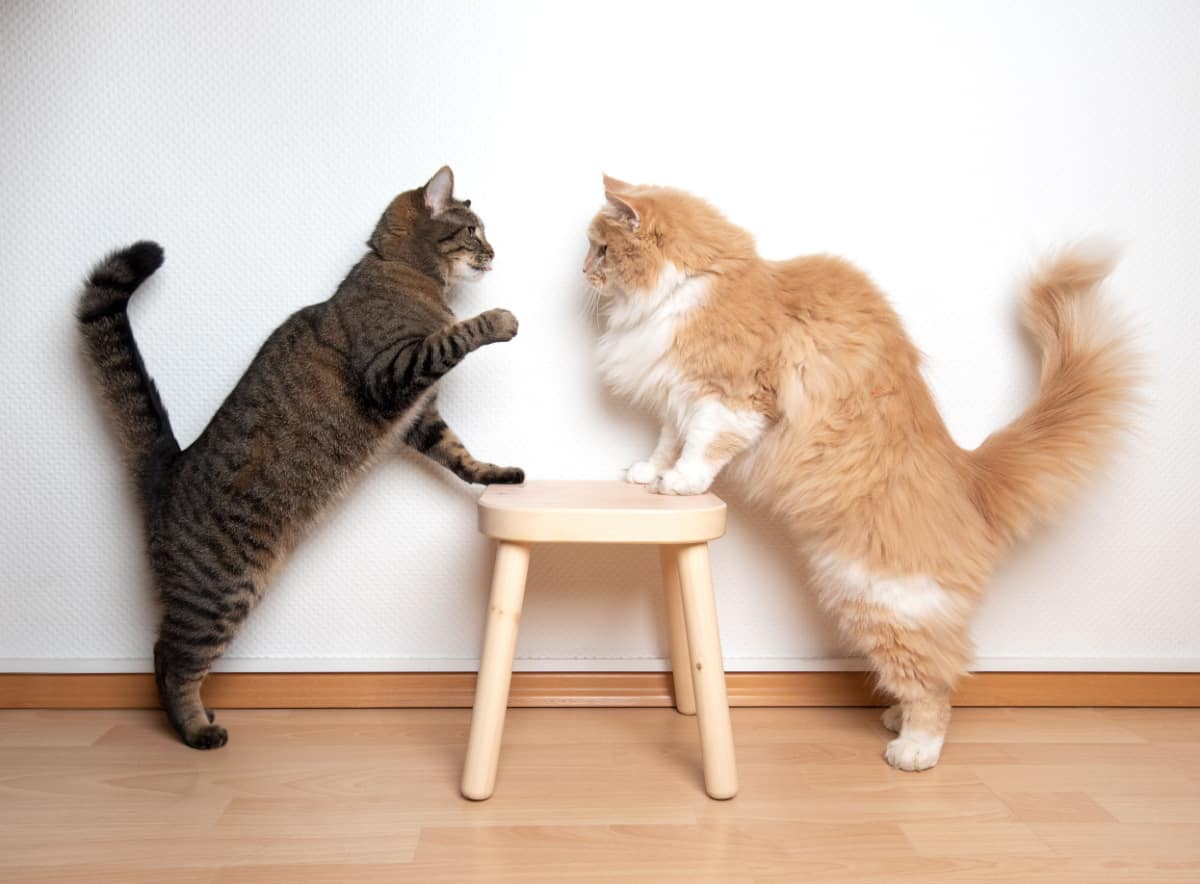
Cats do not scratch out of spite. There are four reasons the behavior happens, and understanding them makes it much easier to redirect:
Claw maintenance: A cat's claws come off in layers. By scratching, they shed the outer sheath and expose the sharp new claw underneath. Wood surfaces give them the texture and resistance needed to do this efficiently.
Stretching: A full scratch down a table leg is also a full-body stretch for the shoulders and back. Cats do this most often right after waking up, which is why furniture near sleeping spots gets targeted first.
Territory marking: Scent glands sit between the pads of a cat's paws. Every scratch deposits their scent and leaves a visible mark, telling other animals that this space belongs to them.
Boredom: When cats lack stimulation, scratching fills the gap. A cat without enough to do will find your furniture deeply satisfying as an outlet.
Not every cat does the same amount of damage. Temperament, activity level, and how early they were given scratching alternatives all play a role. But the urge to scratch is universal, and wood furniture tends to be exactly the height and texture cats prefer.
The Furniture Most at Risk
Unvarnished wood is the prime target. Bare wood offers grip and texture that feels natural under a cat's claws. Chair and table legs are at the right height for a standing scratch, the position cats use when stretching. Soft, unfinished wood gets more visible damage than lacquered or painted surfaces, which give less purchase.
Furniture that holds up better tends to be wood-framed with tight upholstery covering the structural parts. Cats cannot easily scratch through taut fabric, so the frame underneath stays protected. Mid-century modern pieces with wood frames and upholstered cushions are a practical choice for cat households, since the frames resist damage and cushion covers can be replaced if needed. Any exposed, unfinished wood edge remains at risk regardless of style.
How to Stop Your Cat from Scratching Wood Furniture
:quality(75))
Deterrents alone slow the behavior. They do not replace the need to scratch, so your cat will simply find another target. The combination that works is providing a better option and making the furniture less appealing at the same time:
Scratching posts near the problem spots: Position posts directly beside the furniture being targeted, not in an out-of-the-way corner. Cats scratch where they already spend time. A post near their napping spot or beside the couch they favor is far more likely to get used.
Double-sided tape: Apply cat-specific tape along targeted arms or legs. Regular craft tape is too aggressive. Cats dislike sticky surfaces under their paws. Remove the tape once they have stopped returning to that spot.
Aluminum foil: The crinkling sound startles cats away from a surface. Cover the targeted area loosely and leave it for a few days while redirecting them toward a post.
Citrus spray: Most cats dislike the scent of citrus. Spray areas you want to protect and reapply every few days as the scent fades.
Nail trimming: Keeping nails trimmed reduces damage significantly. Every two to three weeks is a reasonable schedule. Handle your cat's paws during calm moments to build tolerance, and trim only the clear tip to avoid the pink quick.
When your cat uses the post, reward them with praise and a treat. Make the post the more rewarding option, not just the less accessible piece of furniture.
What to Look for in a Scratching Post

Not all posts work. A post your cat ignores offers no protection for your furniture. Here is what to consider:
Material: Sisal rope is the most popular choice because its texture mimics tree bark. Cardboard is a strong second option. Cats enjoy tearing it apart and you can make a version from used boxes at no cost. Avoid starting with carpet-covered posts. They blur the line between acceptable scratching surfaces and your actual carpets.
Stability: Cats put real force into a scratch. A post that wobbles or tips will be abandoned quickly. Look for a wide, heavy base. For taller posts, wall mounting adds security and prevents tipping.
Placement and count: Position posts where your cat already spends time, beside favorite spots and near problem furniture. If you have more than one cat, provide one post per cat to avoid competition. Sprinkle a small amount of catnip on a new post to make it appealing from the start.
Expect an adjustment period of a few weeks. Cats are creatures of habit, and the transition from furniture to post takes consistent reinforcement. Keep the post in place and reward every use.
Current Top Sellers
-
Regular price From $170.00 USDRegular priceUnit price per
$200.00 USDSale price From $170.00 USD (-15%) -
Regular price From $1,312.00 USDRegular priceUnit price per
$1,544.00 USDSale price From $1,312.00 USD (-15%) -
Regular price From $172.00 USDRegular priceUnit price per
$202.00 USDSale price From $172.00 USD (-15%) -
Regular price From $112.00 USDRegular priceUnit price per
$64.00 USDSale price From $112.00 USD (-15%)


